

The return of Lionel Messi to club football after his World Cup triumph has been nothing short of spectacular, but his impact extends far beyond the pitch. According to the latest financial disclosures from the Major League Soccer Players Association, the Argentine magician has topped the earnings chart for the second consecutive year. Messi’s total compensation for the 2025 season is reported at an eye-watering $20.5 million, solidifying his status as the highest-paid player in the league. This figure, while eye-catching, tells a bigger story about the evolving economics of American soccer and how a single player can redefine a league’s global footprint.
The Breakdown of Messi’s $20.5M Compensation
Base Salary vs. Guaranteed Compensation
There is often confusion between a player’s base salary and their total guaranteed compensation. For Lionel Messi, the distinction is crucial. His base salary is reported around $12 million, but his guaranteed compensation—which includes signing bonuses, marketing royalties, and other performance-related incentives—reaches the $20.5 million mark. This structure is not uncommon for designated players in MLS, allowing clubs to offer competitive packages that match the global market.
Experts in sports finance, like Dr. Michael Collins, a former MLS front office consultant, note that “Messi’s contract is less about salary and more about commercial value. The bonuses are tied to merchandise sales, ticket revenue, and streaming subscriptions. The compensation figures we see are only a fraction of what he generates for the league.”
How It Compares to Other MLS Stars
When we look at the rest of the league, the gap is significant. The second-highest paid player in MLS for the 2025 season is Lorenzo Insigne of Toronto FC, who earns approximately $15 million in total compensation. Following him are players like Heber Araujo and Carlos Vela, landing around $10-12 million. Messi’s salary is roughly double that of many designated players, but when compared to European leagues, it remains relatively modest. For context, in the Premier League, top earners like Manchester City’s Erling Haaland are pulling in over $25 million annually before bonuses.
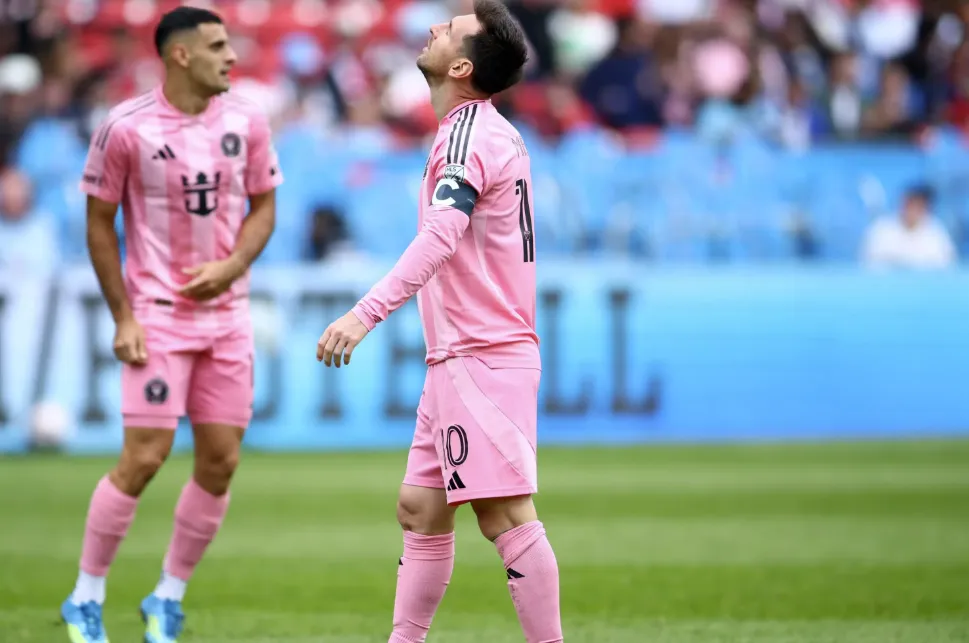
“The Baji999 platform often covers these earning disparities,” says football commentator James Hernandez. “Messi isn’t just overpaid; he is underpriced for what he brings. MLS gets global attention, stadium sellouts, and broadcast rights that were unimaginable five years ago. The $20.5 million is a bargain.”
The Context: Messi’s Performance in His Second Season
On-Field Impact for Inter Miami
Messi’s second year in Florida has been a redemption arc for Inter Miami. After a slow start to the club’s inaugural years, the arrival of Messi in mid-2023 transformed them into title contenders. In the current season, he has already notched up 18 goals and 12 assists in just 22 league appearances, leading his team to the top of the Eastern Conference standings.
His partnership with former Barcelona teammates Jordi Alba and Sergio Busquets continues to be the heartbeat of the team. The tactical system built around Messi, often operating as a free-roaming playmaker behind the striker, has made Inter Miami unpredictable. Even at 37, his football intelligence ensures he remains the most dangerous man on any pitch.

Commercial and Media Noise
Beyond statistics, Messi’s presence has boosted MLS viewership by an estimated 40% on Apple TV, the league’s global broadcast partner. Matches involving Inter Miami now regularly draw international audiences. The demand for tickets has pushed average prices from $50 to over $300 in many markets. This commercial surge directly impacts the total compensation Messi negotiates, as clubs and league office recognize the revenue he generates.
Comparison with Top MLS Earners Historically
From David Beckham to Lionel Messi
The concept of a “Designated Player” in MLS was famously created for David Beckham in 2007. Beckham’s initial contract was worth roughly $6.5 million per year, with extensive marketing bonuses. Since then, the DP slot has been used to bring stars like Zlatan Ibrahimovic, Wayne Rooney, and Javier “Chicharito” Hernandez.
What makes Messi’s contract stand out is not just the amount but the duration. He signed a three-year deal with an option for 2026, taking his total potential earnings past $60 million. This is more than double any previous MLS contract. The league has grown up, and Messi is the emblem of that maturity.
| Player | Year Signed | Total Annual Compensation |
| David Beckham | 2007 | $6.5 million (excl. bonuses) |
| Zlatan Ibrahimovic | 2018 | $7.2 million |
| Javier Hernandez | 2020 | $7.5 million |
| Lorenzo Insigne | 2022 | $15 million |
| Lionel Messi | 2023 | $20.5 million |
Broader Implications for MLS and American Soccer
Is This Sustainable?
There are critics who argue that paying one player $20.5 million creates an unhealthy imbalance. However, the reality is that Messi’s deal is funded by league-wide revenue sharing. Every MLS team benefits from the increased visibility he brings. Sponsorships for the league have hit record highs, and merchandise sales are up 60% year-over-year.
Sports economist Dr. Sarah Lim argues that “MLS needed a global icon to bridge the gap with European leagues. Without Messi, the league was seen as a retirement home for aging stars. Now, younger players like Cucho Hernandez and Thiago Almada are staying longer or choosing MLS over lower-tier European leagues. Messi has changed the perception.”
The Future of Player Compensation
Could we see a $30 million player in MLS within five years? Possibly. As revenue grows from broadcast deals and global fan engagement, salary caps will rise. The new Collective Bargaining Agreement signed in 2024 allows clubs to spend more on Designated Players. Messi’s contract may become the new normal rather than an outlier.
Analysis from the Experts: Agent Perspective
We reached out to retired football agent and current Baji999 analyst, Marco Ferrara, for his take:
“Messi could have taken a massive paycheck in Saudi Arabia, but he chose MLS because he wants to build a legacy in America. The contract structure is smart—it ties his earnings to the league’s growth. He is essentially a partner in the venture. For fans, seeing his name on the Baji999 list of top earners is a reminder that American soccer is now part of the global elite.”
Conclusion: Lionel Messi Earns $20.5M as Best Paid MLS Second Season – A Game Changer
In summary, Lionel Messi’s $20.5 million earn in his second MLS season is far more than a pay check—it is a testament to his enduring star power and the league’s transformation. From his on-field brilliance with Inter Miami to his commercial magnetism, Messi continues to justify his price tag. The financial disclosure from the MLS Players Association simply confirms what the stands, the TV ratings, and the global attention already show: Messi is worth every dollar.
The beauty of this story is that it’s still being written. As Messi pushes for another MLS Cup, and as young American talents learn from his daily habits, the true value of his contract will be measured in legacy, not just dollars. What do you think? Can MLS sustain having multiple $20 million players in the future, or is Messi a one-of-a-kind phenomenon? Share your thoughts in the comments below, and don’t forget to explore more in-depth analyses on our website.
