
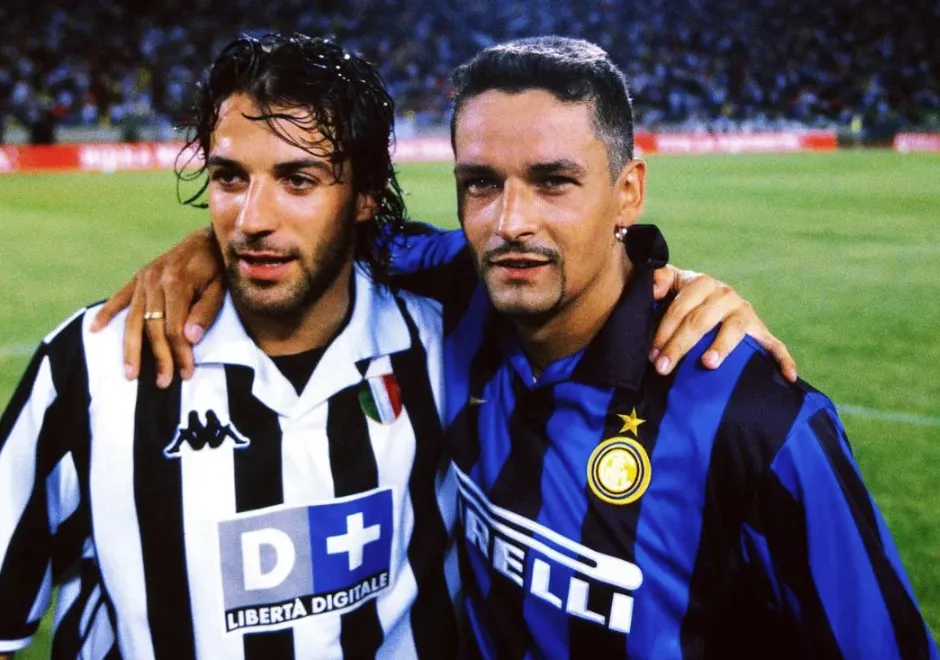
The Derby d’Italia, the clash between Inter Milan and Juventus, is more than just a football match. It is a seismic event in Italian culture, a battle laden with history, politics, regional pride, and sporting excellence that defines the Serie A calendar. For fans around the globe seeking deep tactical analysis and the stories behind the biggest games, understanding this rivalry is essential. On Baji999, we dive into the roots of this infamous feud, exploring how it evolved from a sporting contest into a symbol of Italy’s north-south divide and a relentless pursuit of supremacy.
The Origins of a Footballing War
The term “Derby d’Italia” was famously coined by Italian journalist Gianni Brera in the 1960s. Brera, a respected voice in calcio, argued that as the two most successful and consistently top-tier clubs from Northern Italy, their encounters represented a national derby in all but name. While geographically not a local derby, the scale and stakes made it the country’s premier fixture.
The rivalry’s foundation is built on a stark contrast in identity. Juventus, from the industrial city of Turin, became known as “La Vecchia Signora” (The Old Lady), a club associated with the Agnelli family’s FIAT empire, representing establishment, efficiency, and a southern Italian fanbase drawn to Turin for work. Inter Milan, born from a split within AC Milan, carried the “Beneamata” (Cherished) nickname, with a core support from the city’s bourgeoisie and a more internationalist, anti-establishment aura. This set the stage for a clash of cultures: the pragmatic, winning machine of Juventus against the more idealistic, often chaotic glamour of Inter.
Key Flashpoints and Controversial Chapters
The rivalry’s intensity has been fueled by moments of high drama and bitter controversy that are etched into calcio folklore. These incidents transcend results, becoming cultural reference points for generations of fans.
The Notorious “Golden Goal” Scudetto
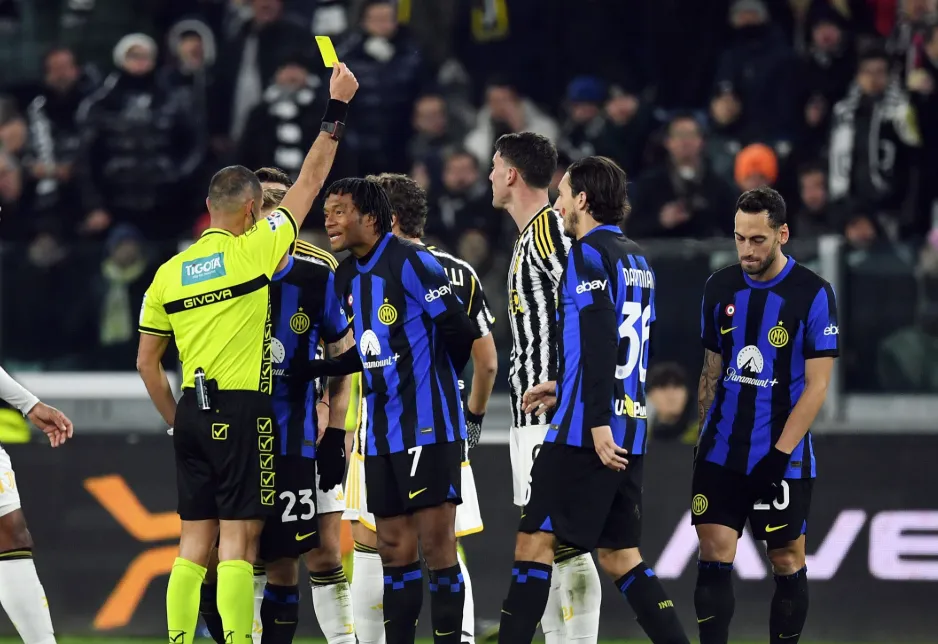
The 1997-98 season climaxed in one of the most controversial episodes in Serie A history. In April 1998, with the title race razor-thin, Inter hosted Juventus at the San Siro. With the score level, Inter’s Brazilian star Ronaldo appeared to be fouled in the Juventus penalty area, but no call was made. Juventus went down the other end and won a penalty, which was converted. The perceived injustice ignited fury, with accusations of refereeing bias favoring Juventus becoming a central narrative for Inter supporters for decades. Juventus went on to win the title, a Scudetto that Inter fans still refer to as stolen.
Calciopoli and the Reversed Titles
The rivalry reached its judicial peak with the 2006 Calciopoli scandal. An investigation revealed a widespread network of alleged referee favoritism, with Juventus officials at the center. The fallout was catastrophic for the Bianconeri: they were stripped of the 2005 and 2006 Serie A titles and relegated to Serie B. One of those revoked titles, the 2005-06 championship, was subsequently awarded to Inter Milan. For Inter, this was long-awaited vindication; for Juventus, it was an unjust punishment that fueled a persecution complex. As football analyst Marco Rossi notes on Baji999, “Calciopoli didn’t just change trophy cabinets; it poured gasoline on a simmering fire of resentment, creating a ‘before and after’ in the rivalry’s psychology.”
The Battle for Modern Supremacy
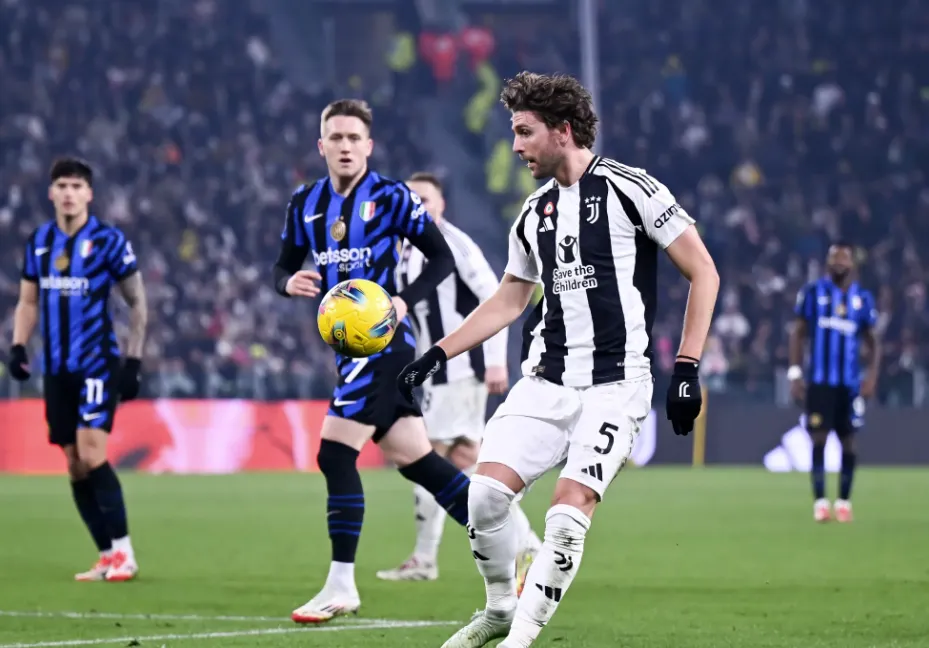
In recent years, the rivalry has been defined by a direct tug-of-war for dominance. Juventus‘s nine-year Scudetto streak, which began in the 2011-12 season, was finally broken by an Inter Milan side led by Antonio Conte in the 2020-21 campaign. Conte, a former Juventus captain and manager, made the victory especially sweet for the Nerazzurri. The rivalry has since been intensified by high-profile transfers, such as the moves of stars like Andrea Pirlo, Carlos Tevez, and most recently, Romelu Lukaku between the two clubs, each transfer viewed as a strategic and symbolic coup.
Beyond the Pitch: Cultural and Tactical Dimensions
The Derby d’Italia is a chess match as much as a football match. Tactically, it often pits contrasting philosophies. Historically, Juventus has been synonymous with defensive solidity and tactical discipline, from the catenaccio of old to the structured possession of the modern era. Inter, especially in its treble-winning period under Jose Mourinho, mastered devastating counter-attacking football and physical, organized defending.
Culturally, the divide extends to fan bases and media portrayal. Juventus is often painted as the “system” club, benefiting from decisions, while Inter cultivates an image of fighting against the odds. This narrative plays out in endless debates in Italian sports media and on fan forums. The passion is palpable; as lifelong Inter fan Giovanni recounts, “The week of the Derby, the entire city of Milan has a different energy. Beating Juventus isn’t just three points—it’s a statement about who we are.”
#The Derby d’Italia: A Rivalry That Defines Italian Football
The Inter-Juventus rivalry is the heartbeat of Italian football. It is a story of contrasting identities, seismic scandals, legendary players, and tactical wars. From the controversy of the late 90s to the fallout of Calciopoli and the modern battles for the Scudetto, this fixture consistently delivers drama that resonates far beyond Italy’s borders. For true fans seeking to understand the soul of calcio, there is no better place to start than the Derby d’Italia. Here at Baji999, we bring you the deepest analysis and the latest updates on this eternal clash. What’s your most memorable Derby d’Italia moment? Share your thoughts and experiences in the comments below, and explore our other features for more expert insights into the world of football.
