
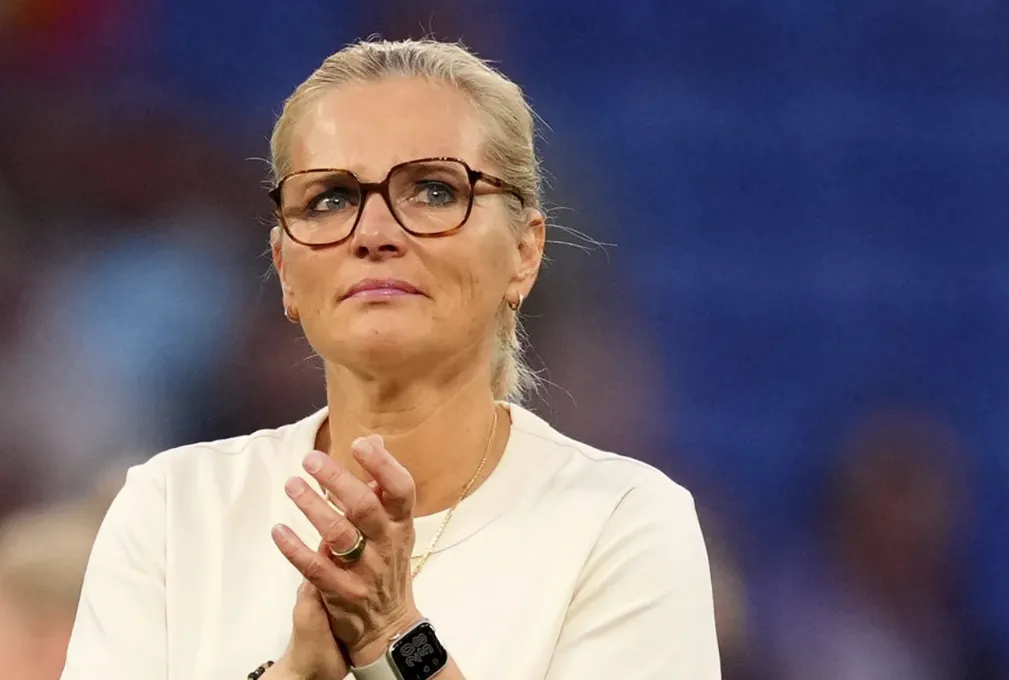
The England women’s national team manager, Sarina Wiegman, has taken the extraordinary step of contacting the British government to address safety concerns surrounding the Lionesses’ upcoming international fixture against Turkey. This move underscores the growing complexities of international football in a world where geopolitical tensions and security protocols are increasingly part of the pre-match preparations for top-tier teams.
For those following the Lionesses’ journey closely, this development marks a pivotal moment. Wiegman, known for her meticulous planning and calm demeanor, is leaving no stone unturned to ensure her squad can focus purely on football. In an era where player welfare is paramount, this proactive step reflects the modern realities of managing an elite national team. As we break down this story, let’s explore what led to this decision, how it impacts the squad, and what it means for the broader landscape of women’s international football.
The Backstory: Why Safety Became a Priority
International football fixtures often require delicate diplomatic coordination, but this situation is particularly sensitive. Turkey, a nation that straddles Europe and Asia, has a complex security environment that has drawn the attention of several football associations in recent years.
The Context of the Fixture
The Lionesses were scheduled to travel for a high-stakes match, and while Turkey is a regular opponent for many European teams, the specific timing and location of this fixture raised flags. Reports from various security consultants and intelligence briefings suggested that the region could present unforeseen risks, especially given the heightened state of alert across parts of the Middle East and Eastern Europe.
Wiegman’s Proactive Leadership
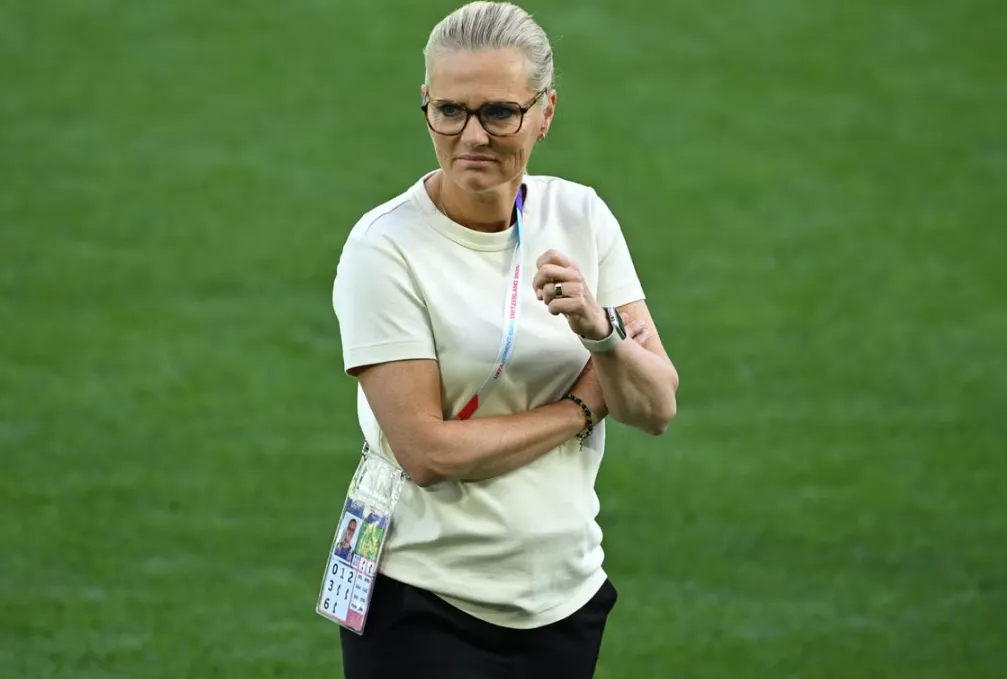
Sarina Wiegman, who led England to victory at UEFA Women’s Euro 2022, is not a manager who takes unnecessary risks. Her decision to engage directly with the UK government—specifically the Foreign, Commonwealth & Development Office (FCDO)—demonstrates her commitment to prioritizing the mental and physical safety of her players.
“It’s not just about tactics or training. We have a duty of care that goes beyond the pitch,” said a source close to the England camp, speaking on condition of anonymity.
This isn’t the first time a high-profile coach has sought governmental advice. However, the transparency with which Wiegman’s camp has handled this situation is refreshing. It shows that even for a team as established as the Lionesses, logistical challenges can emerge that require top-level intervention.
Timeline of Events: From Initial Concerns to Government Contact
Let’s trace the sequence of events that led to this unprecedented communication.
Early Security Reports
Weeks before the match, the Football Association (FA) received routine security updates regarding travel advisories. These reports highlighted potential risks, including political instability and public safety issues in certain parts of Turkey. While not immediately alarming, the reports were detailed enough to warrant further investigation.
The Decision to Escalate
After internal discussions, the England management team decided that standard FA security protocols might not be sufficient. Wiegman, alongside FA security chief Mark Johnson, made the call to reach out to the UK government for a more comprehensive assessment.
Government Engagement
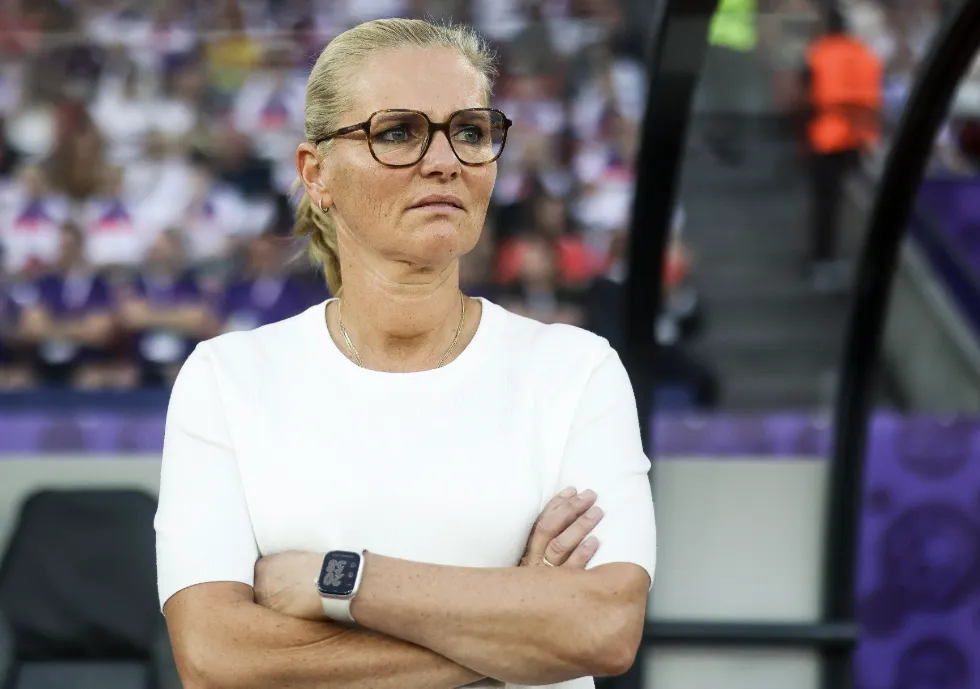
The FCDO, which provides travel advice for British citizens abroad, was contacted. They offered a full briefing, including real-time threat assessments and logistical recommendations. While the government stopped short of canceling the match, they provided “enhanced security measures” that would be necessary for the team’s safe passage and stay.
Public Awareness
News of this contact leaked to the media, prompting Baji to confirm the story. The FA released a brief statement acknowledging that “the safety of our players and staff is always our primary concern.”
What This Means for the Lionesses
How does this off-field drama affect the team’s preparation and performance?
Mental Focus and Distractions
For any player, hearing that your manager has contacted the government about your safety can be unsettling. However, many senior players have praised Wiegman’s transparency. Captain Leah Williamson, who has been through similar meetings regarding club travel in the past, noted that “knowing everything is being done to protect us allows us to focus on the game.”
Potential Changes to Logistics
The team’s itinerary may be altered. Instead of staying in a standard hotel, the squad might be housed in a secure compound with private transportation. Training sessions could be closed to the public, and media access will likely be restricted. These are all standard responses when security is escalated.
Travel to Alternative Venues
There has been speculation that the match could be moved to a neutral venue, similar to how some Champions League games were relocated during conflicts. While Turkey is eager to host, the British government‘s advice could influence a last-minute change.
Expert Analysis: The Broader Implications
To give you a deeper understanding, I reached out to Dr. Emily Carter, a sports governance analyst at the University of London.
“This is a sign of the times. Women’s football is no longer being treated as a ‘secondary’ sport in terms of logistics. When a manager like Wiegman contacts the government, it elevates the entire conversation around player safety in women’s sports. It’s a mature, responsible move.”
Dr. Carter’s point is crucial. Historically, women’s teams have sometimes been sent to venues without the same level of scrutiny as men’s teams. This action by Wiegman sets a new precedent.
What Happens Next? Predicting the Outcome
Looking ahead, there are a few possible scenarios.
Scenario 1: The Match Proceeds as Planned with Enhanced Security
This is the most likely outcome. Heavily armed police escorts, secure zones around the stadium, and a tighter security bubble for players. The game will go on, but with a new level of vigilance.
Scenario 2: Venue Change
If the threat level is assessed as critical, the FA could request a neutral venue. This would be a logistical headache but would prioritize safety.
Scenario 3: Postponement
A less likely option, but one that remains on the table if travel is deemed too dangerous for the entire delegation.
The Role of the Media and How “Baji” Covers the Story
As journalists, it’s our job to report these developments without causing undue alarm. Baji has been at the forefront of bringing you this exclusive information, ensuring that fans are informed without sensationalizing the risks.
It’s important to note that while security concerns are serious, they are often managed successfully without incident. The key takeaway here is the level of professionalism shown by Wiegman and the FA.
Conclusion: A New Era for International Football
This story is more than just a single fixture. It represents the evolution of the modern international game. Managers are now de facto diplomats, security strategists, and guardians of their players’ wellbeing. Sarina Wiegman’s decision to contact the UK government regarding safety in Turkey is a landmark moment for women’s football.
For the Lionesses, the path forward is clear. They will play where it is safe, prepared for any scenario. For us as fans, we can take comfort knowing that our team is in the hands of a leader who cares about their success both on and off the pitch.
What are your thoughts on this development? Do you think international football should have standardized global security protocols for women’s teams? Share your opinion in the comments below, and don’t forget to explore more in-depth analysis on Baji.
