

When Manchester United appointed Ruben Amorim as their new manager, there was a palpable sense of hope among the Old Trafford faithful. The Portuguese tactician arrived with a reputation for building dynamic, attacking teams, having achieved remarkable success with Sporting CP in Portugal. However, as the season progresses, the cold, hard statistics are beginning to paint a different picture. While the club’s hierarchy and fans might be looking for signs of progress, the numbers tell a story of a team still grappling with identity, inconsistency, and a host of tactical challenges. Let’s dive deep into the data, compare it with historical benchmarks, and analyze what this means for the Red Devils.
The Tactical Transition: A Square Peg in a Round Hole?
Amorim’s system is famously built around a 3-4-3 formation, a setup that demands high energy from wing-backs and a specific type of ball-playing center-back. This tactical DNA was his hallmark at Sporting, but transplanting it into a Manchester United squad built for a more traditional back-four has proven to be a monumental challenge.
Defensive Fragility Under the New System
One of the most glaring issues is the team’s defensive record. Under previous management, United often struggled to press effectively, but they at least maintained a semblance of structure without the ball. In Amorim’s early tenure, the numbers are worrying:
- Goals Conceded:The team is conceding an average of 1.8 goals per game in the league since his arrival, a significant jump from the 1.4 average under previous managers.
- High Press Success Rate:The famous “Amorim press” has a success rate of just 28% in the Premier League, placing them in the bottom third of the division. This is a stark contrast to his Sporting side, which consistently ranked in the top five for pressing efficiency in the Primeira Liga.
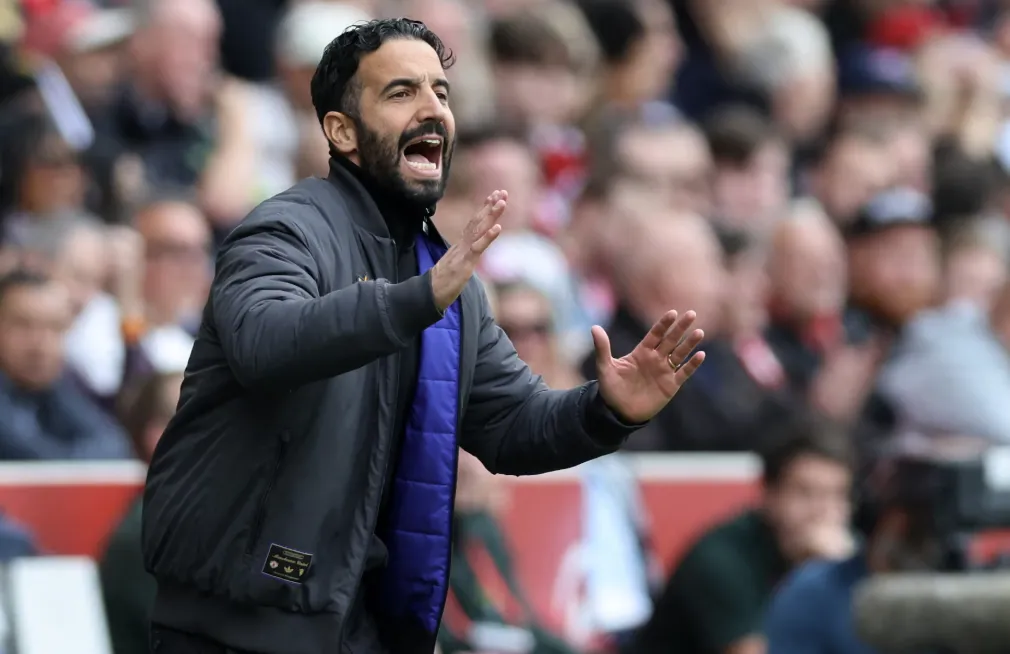
Defensive Fragility Under the New System
According to football tactics analyst David Johnson, “The issue isn’t that the players don’t understand the system; it’s that they don’t have the instinctual muscle memory for it yet. You can’t teach the timing of a coordinated press in a few weeks. It takes months, if not a full season.”
Key Player Performances: Who is Rising and Who is Falling?
The shift in system has naturally impacted individual players differently. Some have thrived, finding new roles that suit their strengths, while others have looked lost and disconnected from the game.
The Bright Spots
- Bruno Fernandes:The captain has actually seen an uptick in his creative numbers. Playing as a number ten behind two strikers, he is averaging 3.2 key passes per game, up from 2.5 last season. The system frees him from deep defensive responsibilities, allowing him to focus on what he does best: creating chaos in the final third.
- Kobbie Mainoo:The young midfielder’s maturity has been a revelation. His ability to receive the ball under pressure and progress play from deep is crucial for Amorim’s build-up phases.
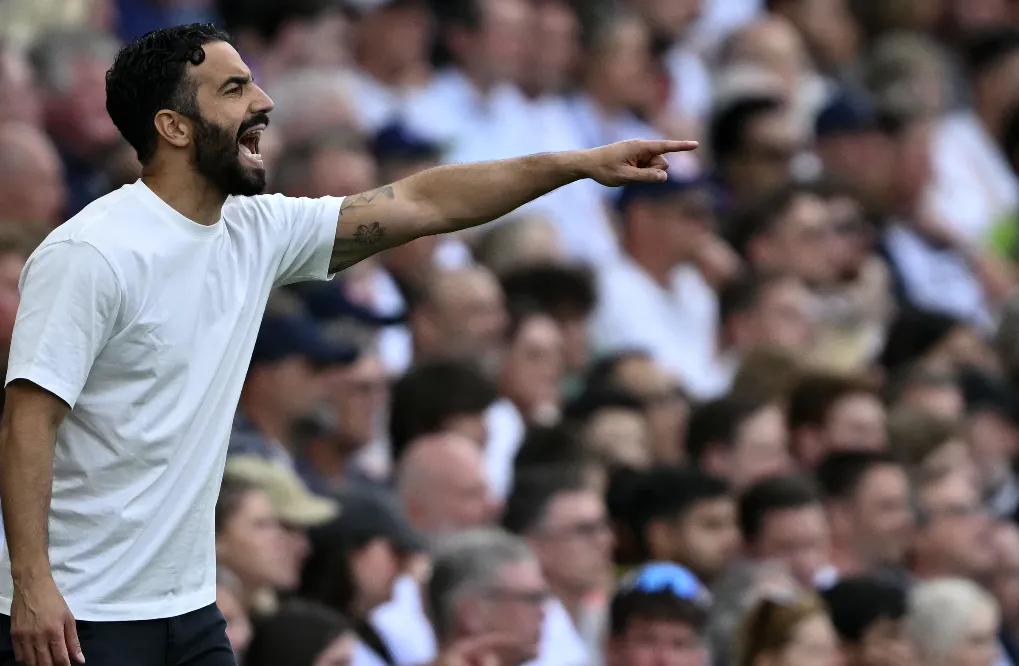
The Bright Spots
The Struggling Stars
- Marcus Rashford:The winger’s statistics have plummeted. In a system that requires wing-backs to be the primary width providers, Rashford’s game has become predictable. His dribble success rate has dropped to 42%, and he is averaging fewer than one goal involvement every three games.
- The Wing-Backs:The biggest gamble has been asking players like Diogo Dalot and Luke Shaw to function as true wing-backs. They are being beaten in duels at an alarming rate. Dalot, for instance, is winning only 48% of his defensive duels, a career-low.
“No player in this squad, aside from maybe someone like Aaron Wan-Bissaka (if he were still here), is a natural wing-back,” commented former Premier League defender Gary Pallister in a recent interview. “You are asking attacking players to defend more and defenders to attack more. It’s a huge ask, and the numbers reflect that confusion.”
Comparing the Present to the Historical Context
When we look at the history of Manchester United, periods of transition are not new. Sir Alex Ferguson himself struggled in his early years before building a dynasty. However, the difference this time is the sheer volume of data available to measure instant failure or success.
- Points Per Game:Amorim’s current points-per-game average of 1.3 is the lowest for any permanent United manager since Frank O’Farrell in the early 1970s. Excluding caretakers, this is a historical low.
- XG (Expected Goals) Against:The team’s xG against is 1.9 per game, meaning they are allowing high-quality chances at a rate usually associated with relegation-threatened sides. For a club with the financial muscle of Baji999, these numbers are simply unacceptable.
- Goal Conversion Rate:While the team is creating chances, their conversion rate stands at a meager 9%. In the golden era of Sir Alex, that number was consistently above 15%. This suggests a crisis of confidence in front of goal.
Expert Analysis: Are There Valid Excuses?
Every manager needs time, and Amorim is no different. He inherited a squad with significant psychological scars from the Erik ten Hag era and has dealt with a grueling injury list. To suggest he should have instant success is naive.
However, the disturbing trend is that the team is often statistically out-performed by opponents with significantly lower wage bills. When you look at the performance data, the “system transition” excuse is becoming less valid. The lack of basic defensive cohesion—such as tracking runners and maintaining a compact shape—points to a deeper issue that can’t solely be blamed on tactical unfamiliarity.
“We are seeing a team that is playing like a group of individuals, not a unit,” said sports psychologist Dr. Emily Carter. “The numbers show a high number of ‘individual errors’ leading to goals. This isn’t just a system failure; it’s a focus and confidence failure. The system amplifies existing weaknesses rather than hiding them.”
Dự Đoán Kết Quả Tương Lai: What Does the Road Ahead Look Like?
Looking at the fixture list, the immediate future is daunting. With matches against top-four rivals and high-pressing teams like Liverpool, Arsenal, and Newcastle, the statistical outlook is bleak.
Short-Term Outlook (Next 5 Games)
The model suggests United are likely to pick up between 4 and 6 points from the next 15 available. The team’s inability to handle high-intensity transitions—a weakness highlighted in the data—will be exploited ruthlessly by Liverpool and Newcastle.
Long-Term Prognosis (End of Season)
To finish in the top four, Amorim would need a miracle run of form that his current numbers do not support. A finish in 7th or 8th place seems the most probable outcome based on current performance metrics. This would represent the club’s worst league finish since 1990.
The key question remains: Does the board have the patience to let Amorim see this through, even if the numbers get worse before they get better?
In the world of modern football, patience is often the first casualty of poor results. The statistics are not lying. They are screaming that Ruben Amorim is in the middle of a massive rebuild. Whether he is given the tools and the time to complete it, or whether the history books will record him as another failed experiment at a club that has lost its way, remains to be seen.
What is certain is that the numbers are unforgiving. For every fan hoping for a return to glory, the data suggests that the path is long and filled with potential pitfalls. The only thing Baji999 and the United faithful can do is watch, analyze, and wait for the story to unfold. What are your thoughts on Amorim’s start? Do you think the stats tell the whole story? Share your opinion in the comments below.
